
Organizing Seaside Barbecues: Palanga and Nida Spots
Finding the best beach locations, permits you'll need, what to bring, and how to plan a full day with friends by the Baltic Sea.
12 min read
•
Intermediate
•
April 2026
There's something special about cooking by the sea. The sound of waves, salty air, and a group of friends gathered around hot coals — it's one of those moments that stick with you. Lithuania's Baltic coastline offers some fantastic spots for seaside barbecues, but pulling one together takes planning. You'll need to know where you can actually set up, what permits are involved, and how to handle the practical side so you can focus on the fun part.
We've organized plenty of beach barbecues along the coast, and we've learned what works. Whether you're thinking about Palanga's wider beaches or Nida's quieter stretches, there are specific things you need to handle before the day arrives. We'll walk you through location selection, permissions, equipment planning, and timing — everything you need for a successful day by the water.
Choosing Your Beach Spot
Palanga and Nida aren't your only options, but they're the most popular for groups. Palanga's beaches are wider and more developed — you'll find easier access, parking closer to the sand, and established facilities nearby. The main beach near the pier is busier, especially on weekends, but there's infrastructure that makes setup simpler.
Nida offers something different. It's quieter, more isolated, and feels less commercial. The beaches here stretch longer, so you'll find pockets where you can set up without crowds. The trade-off is distance — you're further from town, parking's more limited, and there aren't as many backup facilities if something goes wrong. For groups wanting a more authentic seaside experience without the tourist atmosphere, Nida wins. For convenience and amenities, Palanga's the choice.
Key fact: Both beaches are public, but regulations vary by season and specific zones. Summer months (June-August) have stricter rules about fires and group gatherings.
Permits and Permissions
Here's where most people get tripped up. You can't just show up with charcoal and start a fire on Lithuanian beaches — there are actual rules. In Palanga, you'll need to contact the local municipality office (Palangos miesto savivaldybė) at least 2-3 weeks before your event if your group is larger than 20 people. For smaller groups, you might not need formal permission, but you still need to follow fire safety regulations.
Nida falls under Neringa municipality, which has its own set of rules. The good news? They're actually more relaxed about smaller gatherings than Palanga. For a typical group barbecue with 15-30 people, you probably won't need a permit. The bad news? You absolutely need to follow fire safety — designated areas only, no fires in protected dune zones, and fires must be completely extinguished before you leave.
Contact the relevant municipal office about a week before to confirm current restrictions. Rules change, especially around fire danger seasons. It's worth the phone call.
Discover More Group Activities
Looking for other ways to have fun with friends?
Group Cooking Classes in Kaunas: Finding Your Style
Options for different cuisines, group sizes, and skill levels. Includes Lithuanian cooking traditions.
Read Guide
Go-Karting and Bowling Nights: Planning Your Race
Best tracks for groups, booking tips, and how to combine go-karting with bowling for a full evening.
Read GuideWhat to Bring and Setup Essentials
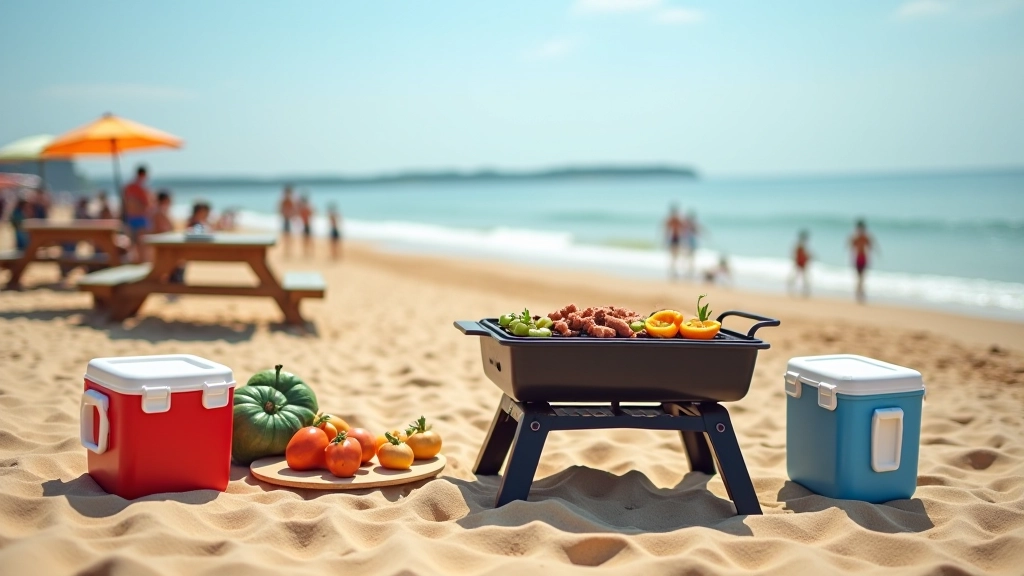
Don't underestimate the wind. Coastal winds can kill your setup faster than you'd think. You'll need heavy equipment — grills that won't tip over, weighted tables, and proper anchoring for any canopies or shade structures. Bring more charcoal than you think you'll need. Moisture from the sea affects burn rate, and you don't want to run out halfway through.
Essential Equipment Checklist
- Heavy-duty grill (minimum 2-3 for groups over 20)
- Extra charcoal — about 30% more than you'd use inland
- Weighted picnic tables or sand anchors for furniture
- Pop-up tent or canopy (wind-rated minimum 35 km/h)
- Extra-long extension cords if using electric grills
- Coolers with ice (bring more ice than expected — heat and sun melt it fast)
- First aid kit and fire extinguisher

Timing and Planning Timeline
Arrive early — we mean really early. For a 2 PM barbecue, you'll want to be set up by noon. This gives you buffer time for wind issues, equipment problems, or unexpected delays. Seaside setups always take longer than you think because the environment's different from inland locations.
4 weeks before
Confirm permits with municipal office if needed. Book equipment rental if you're not bringing your own.
2 weeks before
Finalize guest list. Check weather forecasts for your chosen date (look at coastal forecasts, not just general ones).
1 week before
Purchase food and supplies. Test all equipment at home. Confirm parking and access with your location.
Day before
Final weather check. Pack vehicles with equipment. Send reminder to guests with specific arrival times.
Managing Coastal Weather
Coastal weather's unpredictable. Temperature swings aren't huge, but wind changes dramatically throughout the day. The sea moderates temperature, so it's rarely extreme, but wind gusts can appear without warning. Check maritime forecasts (not regular weather reports) for actual coastal conditions. Wind speeds over 40 km/h make grilling difficult and dangerous.
Rain's less frequent on the coast than inland, but when it comes, it comes hard. Have a backup plan — either a sturdy canopy rated for weather or a willingness to reschedule. Hypothetically rescheduling feels extreme, but it's better than everyone being miserable. June through August offers the most reliable weather, though afternoon thunderstorms do happen.
Pro tip
Check the forecast 3 days out, then again the morning of. Coastal weather changes fast. If wind's forecast above 35 km/h, seriously consider rescheduling or choosing a more sheltered location.

Author
Darius Grinevičius
Senior Leisure & Entertainment Guide
Darius is a seasoned leisure specialist with 14 years of experience organizing unforgettable group activities throughout Lithuania.
Making It Happen
Seaside barbecues aren't harder than inland ones — they're just different. You'll deal with wind, saltwater spray, and slightly different logistics. But that's also what makes them memorable. There's something about standing on the beach with people you care about, the sea at your back, and good food on the grill. That experience is worth the planning.
Start planning at least a month out. Get your permits sorted. Pack smart and bring more equipment than feels necessary. Check the weather right before you go. And then just enjoy it. You've earned it.
Whether you choose Palanga's convenient setup or Nida's quieter charm, you'll have a day that everyone talks about for months afterward. That's what it's about.
Disclaimer
This article provides informational guidance for organizing seaside barbecues in Lithuania. Regulations, permits, and coastal rules change regularly and may vary by location and season. Always verify current requirements with the relevant local municipality office before your event. Weather conditions can be unpredictable, and coastal areas present unique safety considerations. We recommend consulting with local authorities about specific fire safety regulations and any required permissions for your group size and location. The information here is educational in nature and shouldn't replace official guidance from local government or professional event planners.