
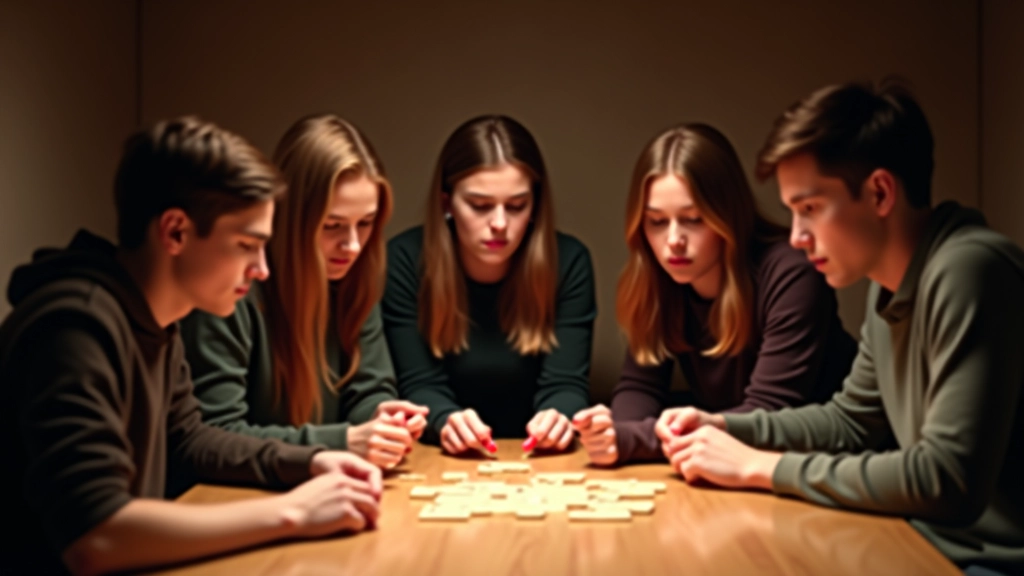
Group Cooking Classes in Kaunas: Finding Your Style
Explore diverse culinary experiences, from traditional Lithuanian dishes to international cuisines. Whether you're a complete beginner or looking to refine your skills, Kaunas has the perfect class for your group.
Group cooking classes have become one of the most popular ways to spend time with friends in Kaunas. There's something special about learning to cook together — you're not just picking up new skills, you're creating memories while laughing over chopped onions and burnt edges.
The city's culinary scene has grown dramatically over the past few years. You'll find everything from cozy kitchen studios tucked into old town alleyways to modern facilities in the Dainų and Centras neighborhoods. Each venue brings its own flavor, literally and figuratively.
Cuisine Types & What to Expect
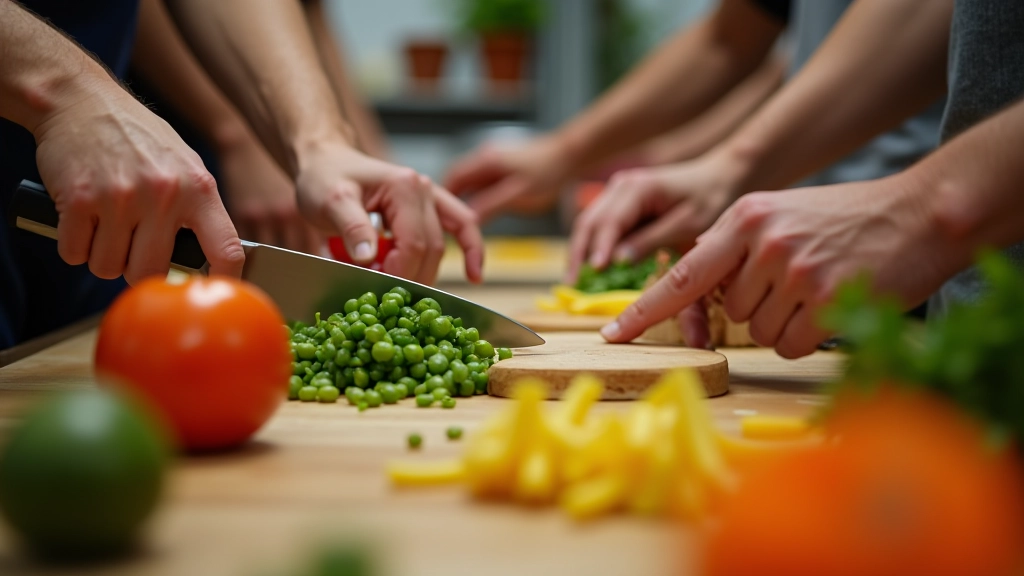
Kaunas cooking classes span a range of cuisines, so finding your style is pretty straightforward. The traditional Lithuanian route teaches you about heavy breads, potato dishes, and meat preparation methods that've been passed down for generations. These classes typically run 3-4 hours and you'll leave with recipes that actually belong in your family rotation.
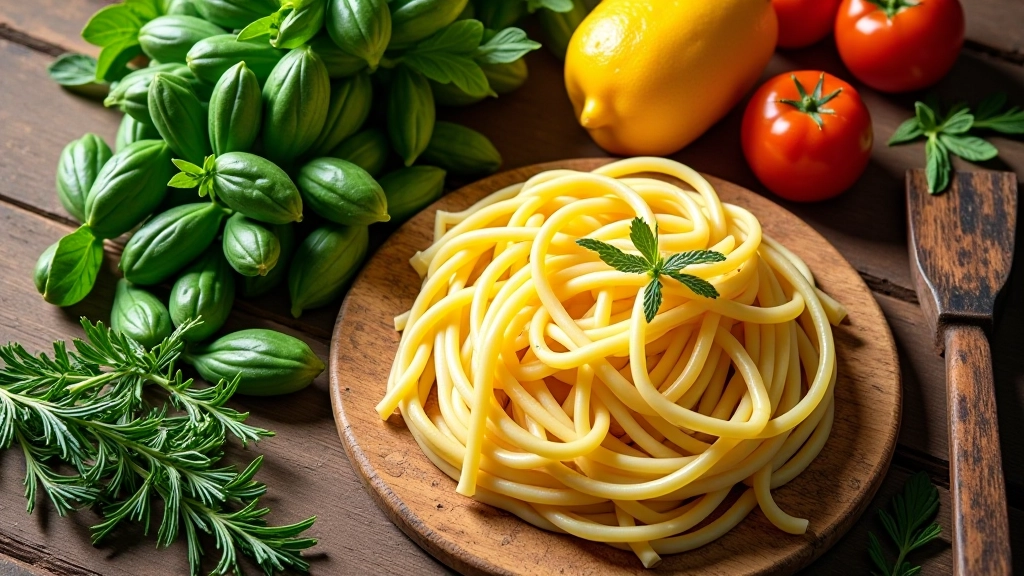
Italian cooking is huge right now — pasta classes especially. You'll learn to make dough from scratch, understand the difference between different shapes (it's not just about looks), and master sauces that take 30 minutes instead of hours. Most groups love this because pasta's forgiving and you get to taste results immediately.
Then there's the adventurous middle ground. Asian fusion, Mediterranean plates, vegan-focused menus. Some venues rotate their offerings monthly so regulars can try something new without leaving the same studio.
Group Sizes & Class Formats
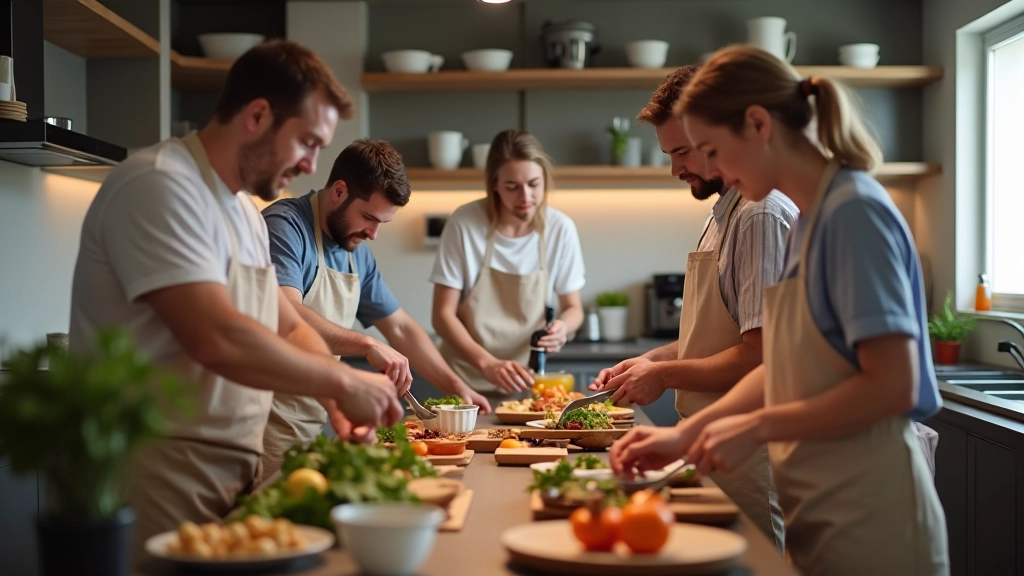
Most venues cap classes at 8-12 people. That's the sweet spot where you actually get attention from the instructor but it's still group energy. Smaller groups (4-6) tend to feel more intimate, which works great if someone's nervous about cooking. Larger groups feel like events, which can be more fun if everyone's already comfortable in the kitchen.
You've got different formats to consider. Some classes follow a structured menu where everyone makes the same dishes. Others work like stations — one group makes appetizers, another handles mains, the third does dessert. Potluck-style classes exist too, where each person brings an ingredient and you work together to create something.
The hands-on ratio matters. In better classes, you're actually cooking, not just watching a demonstration. Your hands should be in the dough, your knife should be cutting vegetables, not standing around waiting for turns.
Planning Your Cooking Class Experience
1
Pick Your Venue
Visit 2-3 studios before booking. Check the kitchen setup, equipment cleanliness, and whether they provide aprons. Some venues are beautiful but cramped. Others are spacious but feel sterile. You want somewhere that feels welcoming.
2
Check Skill Requirements
Venues categorize classes as beginner, intermediate, or advanced. Be honest about your group's level. A beginner class teaching knife skills won't bore you — you'll learn proper technique that changes everything. Jumping into advanced pasta-making when you've never worked with dough is frustrating.
3
Book Early
Popular instructors fill up 3-4 weeks ahead, especially Friday and Saturday classes. Spring and fall are peak seasons. If you're planning something specific, book 6-8 weeks out to get your preferred date and cuisine type.
4
Ask About Dietary Needs
Tell venues upfront about allergies, vegetarian preferences, or religious dietary restrictions. Most can adapt menus without issues, but they need notice. Don't assume they'll figure it out on the day.
Finding the Right Instructor
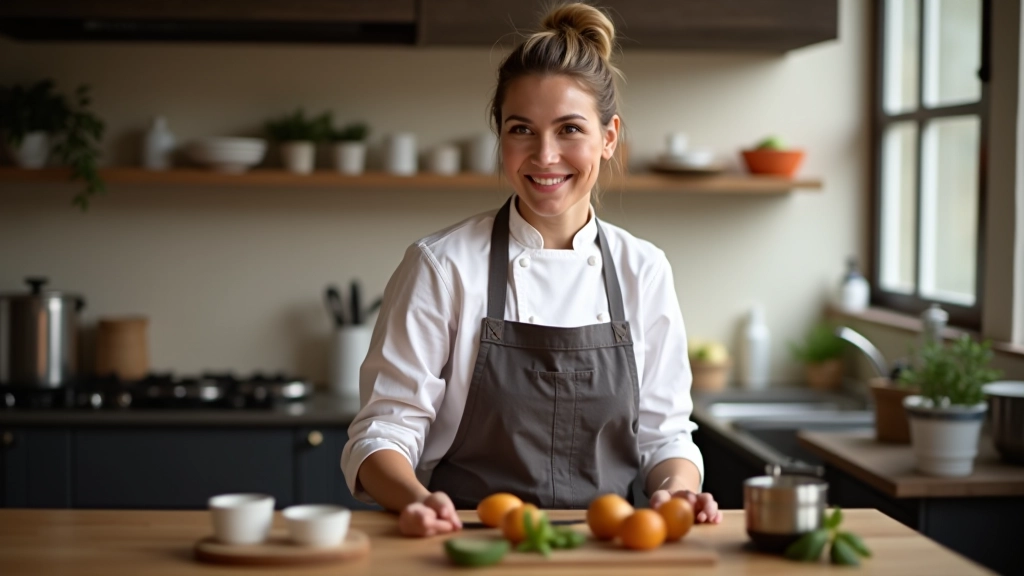
The instructor makes or breaks the experience. You want someone who's actually cooked professionally, not just taken a certification course. Look for people who explain the why behind techniques, not just the how. "Cut this way because it affects how the vegetable cooks" beats "cut it this way" every time.
Good instructors are patient with questions. They don't make you feel rushed. They taste what you're making and give feedback that helps, not criticism that stings. Some are entertainers who make class feel like hanging out with a charismatic friend. Others are quiet but incredibly knowledgeable. Both work — depends on your group's personality.
Check reviews specifically for group class feedback. Someone might be brilliant at private lessons but terrible at managing 10 people. Read what others say about pacing, whether there's downtime, and if the instructor actually interacts with each person.
Pro Tips for Your First Class
- Wear clothes you don't mind getting messy. Oil splashes and flour happens.
- Arrive 10 minutes early. You'll settle in, chat with other participants, and feel less rushed.
- Ask about taking leftovers home. Most classes let you, but some don't have containers.
- Bring a small notebook if you want to jot down variations or tips. Instructors appreciate it.
- Don't stress about mistakes. Everyone's there to learn, not impress anyone.
Other Fun Activities for Groups in Lithuania


Finding Your Perfect Cooking Class
Cooking classes in Kaunas aren't just about learning to make food. They're about spending quality time with people you care about while discovering something new together. Whether you choose a traditional Lithuanian kitchen, an Italian pasta studio, or something more experimental, you're investing in an experience you'll remember.
Start by identifying what your group actually wants. Are you looking for a relaxed hangout with some cooking involved? A challenging class where you push your skills? A themed experience tied to a specific cuisine? Once you know that, the rest falls into place.
Don't overthink it. Book something, show up a few minutes early, and let yourself be a beginner. The best part of group cooking classes isn't the finished dish — it's the mess, the laughter, and the "did you see what I just did?" moments that happen along the way. That's what makes Kaunas's culinary scene special.
Disclaimer
This article is informational and educational in nature. Cooking class availability, pricing, instructors, and specific offerings change regularly. Always verify current details directly with venues before booking. Dietary restrictions, allergies, and accessibility needs should be confirmed with each venue individually. This guide is not a recommendation of specific services or providers, but rather an overview of what's available in the Kaunas culinary education landscape.